


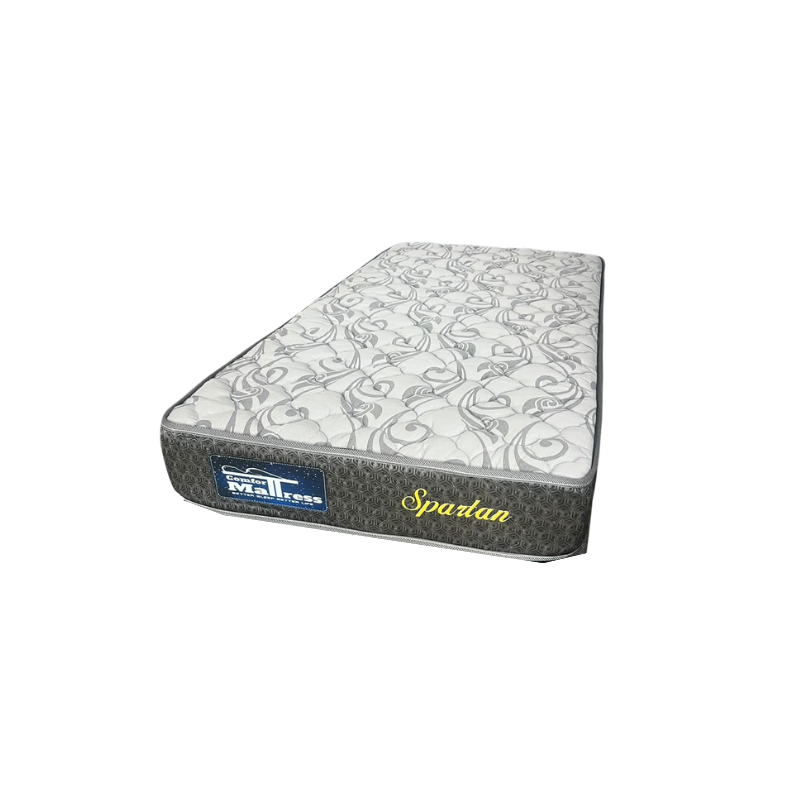



Mattress Protector: Why Every Bed Needs One

It is the cheapest thing in the bedroom and it protects the most expensive. A mattress protector is a thin washable layer between you and the mattress, and skipping it is a false economy that quietly voids warranties and shortens the life of a good bed.
What a mattress protector actually does
- Stops spills, sweat and accidents reaching the filling, where they cannot be cleaned out.
- Blocks dust mites and the allergens that come with them.
- Keeps the surface clean, which is what most warranties require.
- Washes in a normal machine — the mattress does not.
- Adds a light comfort layer without changing the feel of the bed.
The warranty point most people miss
Mattress warranties are voided by staining. Not by wear, not by age — by a mark that shows the mattress was not kept clean. One spilled cup of coffee can end a ten-year warranty on the day it happens. A protector costs a fraction of the bed and removes that risk entirely, which makes it the first accessory to add to any new bed set.
Choosing between the types

For a child’s room or a home with pets, waterproof is not optional. For an allergy sufferer, a full encasement does far more than a fitted top cover. Everyone else is well served by a quilted fitted style.
Protector, topper or both
They do different jobs and layer together happily. A protector keeps the mattress clean; a topper changes how it feels. If your bed is sound but too firm, a topper is the fix — and the protector goes over it, not under. Our piece on choosing a plush mattress covers the softer end of the range.
The rest of the care routine
Rotate the mattress head to foot every few months, air it when you strip the bed, and vacuum the surface occasionally. Done consistently, that plus a protector adds years. If your current bed is already past saving, our notes on replacing your mattress and choosing by weight rating will help you buy better next time.
Browse mattress protectors and the rest of our bedding accessories, or ask us which suits your bed.